


14 Jun Fate vs Choice Argument Regarding 20 Super Hot Machine in UK
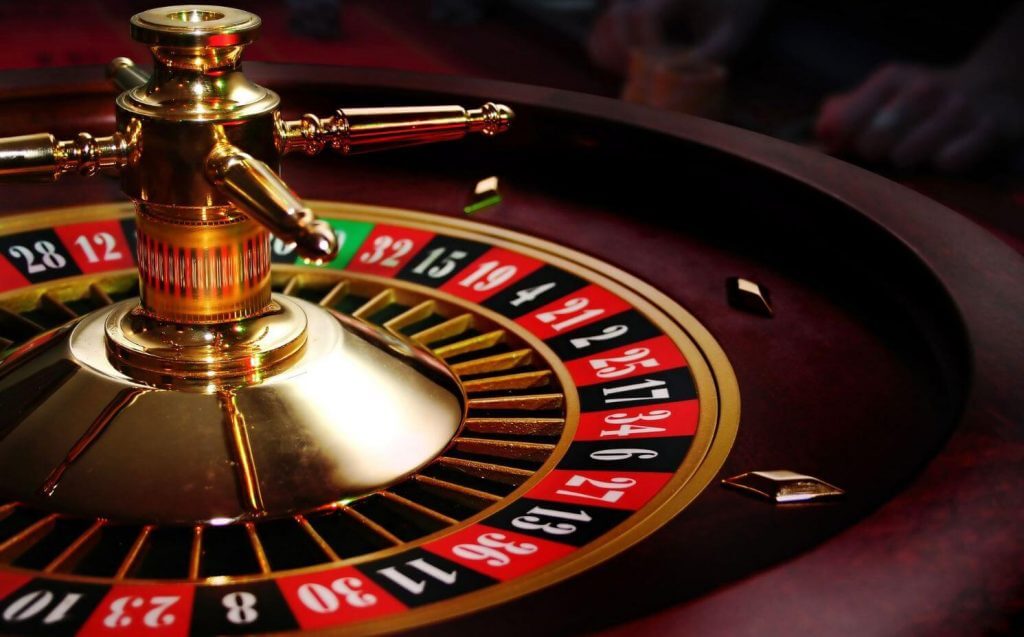
Covering the world of gaming and culture, I return often to an old philosophical debate. The argument between fate and free will feels oddly pertinent when you examine modern slot games. Take 20 Super Hot. It’s a classic fruit machine, basic on the surface. But for players across the UK, it sets up a quiet conflict. The game itself functions on pure chance, a closed system of luck. Yet everything you do around it—choosing to play, setting your stake, understanding when to quit—is an act of will. That dynamic, the random reels against your deliberate choices, is a tiny digital drama. It unfolds on phone screens and laptops numerous of times, a daily dose of an ancient dilemma.
The False Sense of Control in a Arbitrary Universe
Fundamentally, 20 Super Hot is driven by a Random Number Generator. This RNG is a intricate piece of code. Its only job is to ensure every single spin is independent, unforeseeable and untouched by the last. This is the game’s version of pure fate. Hit the spin button, and the outcome for that round is fixed. It’s momentary and unchangeable. No skill can manipulate those reels. There’s no pattern to learn, no hidden timing to unlock. This chance is the basis of every controlled slot. On the outside, it looks to conclude the debate. The game’s realm is a sealed box of probability, where free will has no influence over where the cherries, bells, and sevens land.
But human psychology thrives on a paradox. Even with the knowledge of the RNG, players behave in ways that imply they think they have a part in the conclusion. They might spin only at a specific time, or press the screen in a particular way. They develop little habits. These habits are a quest for influence. They’re an effort to force personal will onto a process that is, objectively, random. In a fast-paced, familiar game like 20 Super Hot, these unfounded behaviors are ubiquitous. They’re a cognitive defiance. They’re the mind’s effort to carve out a corner of control within the game’s rigid algorithmic walls.
Current Context: An Ancient Debate Digitalized
What makes 20 Super Hot and slots like it so engaging is the way they digitize a timeless human anxiety. We have continually tried to determine how much influence we actually have in an uncertain world. Oracles, dice throws, card games—these were bygone technologies for communicating with fate. The online slot is merely the newest model. Its RNG is the digital oracle. Its spin is the roll of the dice. The debate isn’t abstract anymore. It’s hands-on, with real, if minor, stakes. Playing a session of 20 Super Hot becomes a tiny philosophical experiment. Every click is a trade-off. You’re perpetually balancing the inclination to steer your own destiny against the acknowledgment of powers you can’t touch.
This modern setting removes the debate of theoretical theory and puts it into actual experience. You’re not pondering fate in a library. You’re confronting it immediately on your screen. The consequences are financial and psychological, not just concepts in your head. That makes the whole dynamic visceral. The joy of a win feels like a validation of your auspicious choice. The sting of a loss feels like the fancies of a capricious universe. So 20 Super Hot, for all its simplicity, acts as a gateway. It opens onto a deep and enduring human dilemma. It transforms a deep philosophical dilemma into a common, reachable, and infinitely repeated digital ritual.
The Oversight System: Imposing Order on Randomness
The UK gambling scene adds another layer to this debate. It actively influences the arena where fate and free will meet. The UK Gambling Commission demands all licensed games, including 20 Super Hot on approved sites, to use certified RNGs and publish their Return to Player (RTP) percentages. This rule is a fascinating intervention. It formally defines the game’s long-term fate—the statistical probability over millions of spins. At the same time, it offers players transparent information. Knowing the RTP is a tool for informed choice. It’s a data point for your will to consider before you engage with the game’s randomness.
Regulations also compel operators to provide tools like deposit limits, time-outs, and reality checks. These are literal instruments of free will. The operator presents them, but the player has to switch them on. They are mechanisms built to help your will stay in charge. They protect against impulsive behavior driven by the game’s unpredictable rewards. So the UK’s regulatory environment avoids taking a side in the philosophy debate. Instead, it attempts to build a safer arena for that debate to happen. It recognizes the undeniable fate of the RNG, while legally requiring support for a player’s capacity for choice and control. The goal is to make sure the latter can always temper the former.
The Choices That Surround the Spin
What the spin produces could be fixed, but the environment surrounding that spin belongs to you. Before the first reel moves, you make key decisions. The most significant one is budget management. You decide your overall budget for the session. Then you select your bet unit and wager size on 20 Super Hot. Setting these financial boundaries is a firm declaration of intent. It’s a deliberate decision to risk a specific amount, and exactly that sum. This personal guideline sits outside the algorithm’s impact. It’s a tactical limit on possible loss, and it’s the bedrock of responsible play.
You also exert control by engaging with the game’s rules. Knowing that 20 Super Hot is a standard slot game with no bonus rounds sets your expectations. Deciding to play every one of the 20 fixed lines involves a strategic consideration about reward against coverage. Then there’s the final, most significant choice: the choice to stop. Walking away after a win takes self-control. Stopping after hitting a established loss cap takes additional restraint. That act of cessation supersedes the game’s addictive pull. This overarching dynamic of self-regulation happens entirely in the player’s control. The machine doesn’t care if you depart or remain. That part is all you.
The Moral Aspect of the Structure
Considering this predestination versus autonomy dynamic brings us to questions about ethical considerations in design. A traditional slot like 20 Super Hot, with its clear rules and no deceptive features, could be seen as relatively honest. It presents its randomness from the start. But the moral issue isn’t just about the game’s outcome. It’s about how the game aids or hinders a player’s free will. The rapid speed and chance of rapid spins can erode careful decision-making. It propels you toward impulsive, reflexive play. In that state, the appearance of control is strongest, and logical decision-making is least effective.
In my view, the ethical balance depends on the clarity of the deal. 20 Super Hot, in its true classic form, presents a fairly simple arrangement: a game of chance-based, unrelated outcomes with determined odds. The ethical responsibility then spreads out. It falls on the platform running the game and on the player. Does the operator make safe gaming tools readily available and employ? Does the user engage in pre-commitment strategies? The game itself is a unbiased engine of randomness. The ethics of engaging with it is determined by the structures around it and by the player’s own awareness. It boils down to how you manage the eternal dance between your own actions and the neutral turn of the digital reels.
Classic Design: A Backdrop for Imagination
The look of 20 Super Hot, that vintage fruit machine style, holds a key position in this intellectual dance. Unlike story-heavy video slots, this game presents a stark, clean interface. The symbols are timeless: fruits, bells, stars, and the red 7. This clarity creates a clean canvas. Players project their own tales of luck and control onto it. With no flashy features to interrupt, the mind focuses on the core tension: the spin (fate) versus the bet (choice). The classic design also evokes tradition. It ties back to the physical one-armed bandits of the past, where pulling the lever appeared like a immediate, physical wrestling match with chance.
This projection colors how people perceive results. A near-miss, where two high-value symbols align with a third just off the payline, often appears like “almost there.” It’s interpreted as a close call with destiny, encouraging another spin. A surprise win on a tiny bet might seem like a predestined gift. The game’s design doesn’t generate these stories. The human mind generates. The impartial, classic frame of 20 Super Hot supplies the ideal stage for an inner drama. It’s a conflict between feeling lucky (a state of mind) and actually being lucky (a random event). The design renders it easy to envision you’re sharing a conversation with fate, even when the underlying mechanism is a solo of randomness.
Mental Conflict with the Gamer’s Journey
Engaging with 20 Super Hot often leads to a sense of cognitive dissonance. That’s the mental itch of experiencing two contradictory beliefs at once. One aspect of you recognizes, rationally, that the machine is unpredictable. Every result is separate. The other side has a gut feeling that your actions count, that your timing or your “lucky streak” has significance. This dissonance isn’t a failure of logic. It’s a central part of what makes the experience compelling. It converts a plain algorithmic process into something with psychological weight. The excitement exists in the distance. It’s the space between what you know and what you sense, between embracing fate and wishing your will can somehow pull a bit of luck.
The slot’s speed and simplicity turn up the volume on this sensation. With 20 fixed paylines and zero bonus rounds to handle, the cycle is rapid: decide, bet, see the payoff, continue. This pattern can lull you into a light trance. The conscious act of selecting a wager and hitting spin starts to become automatic. The chance outcomes start to seem like they have a pattern, a design. The human cognition is designed to seek cause and result. In the simple, featureless world of a traditional slot, the intellect will create its own explanations. Your inner story shifts. It goes from “I’m choosing to bet on a random event” to “I’m on a lucky run” or “This machine is cold today.” You attribute agency and personality to the unfeeling code. It’s a method to address the dissonance, to forge a more storied and willful interaction with the slot.
FAQs
Is the outcome of each spin in 20 Super Hot really random?
Yes. Licensed versions of the title use a certified Random Number Generator. That RNG assures that every spin’s outcome is unconnected, instant, and completely unpredictable. The system has none memory and follows no pattern. Each spin is a unique event controlled by chance. This is the fundamental “fate” element of the title.
In what way can I apply my personal preference or strategy while playing this slot?
Your agency resides in the actions you perform around the spin https://20superhot.net. This means establishing your total bankroll, picking your coin denomination and bet amount, and deciding when to begin and finish your gaming session. Handling your bankroll and employing responsible gambling tools are your main strategic steps. These choices reflect your free will in the context of the title.
Can the traditional fruit machine appearance impact how people perceive influence?
It commonly does. The simple, known design works like a blank screen. Players are inclined to transfer their individual ideas and tales onto it. This can encourage an notion of command. You might come believing in “hot” or “cold” streaks, for example, even though the basic mechanics are random for every single outcome.
How does UK regulation affect the fate vs. free will feature of the slot?
UK regulation forces transparency, like showing the RTP. It also requires tools like deposit limits and reality checks to be provided. This framework clearly outlines the game’s long-term statistical “fate.” Concurrently, it equips players with information and tools to use their free will in a more effective way. The objective is to promote play that is informed and controlled.
Is it possible to influence the RNG or find a pattern in the wins?
No, you cannot affect the RNG, and patterns do not exist to find. This RNG keeps running creating countless of numbers every second. The result at the exact millisecond you click spin is final. Patterns you perceive are cognitive illusions. It’s a natural human inclination to seek out order in randomness.
What represents the most important act of free will when spinning slots like this?
The key act is pre-commitment and stopping. Decide on a loss limit and a time limit prior to starting. Then, find the discipline to stop when you encounter them. This choice lies entirely outside the game’s random mechanics. It is the highest form of your control.
Why does the discussion about control matter at all for a straightforward slot game?
It counts because it gets to the essence of gambling psychology. Understanding that the spin is fated, but your handling of the session is not, promotes a healthier approach. It redirects the emphasis away from trying to outsmart randomness. Instead, it highlights the significance of making conscious choices about your participation. That way of thinking is vital for responsible play.
Sorry, the comment form is closed at this time.